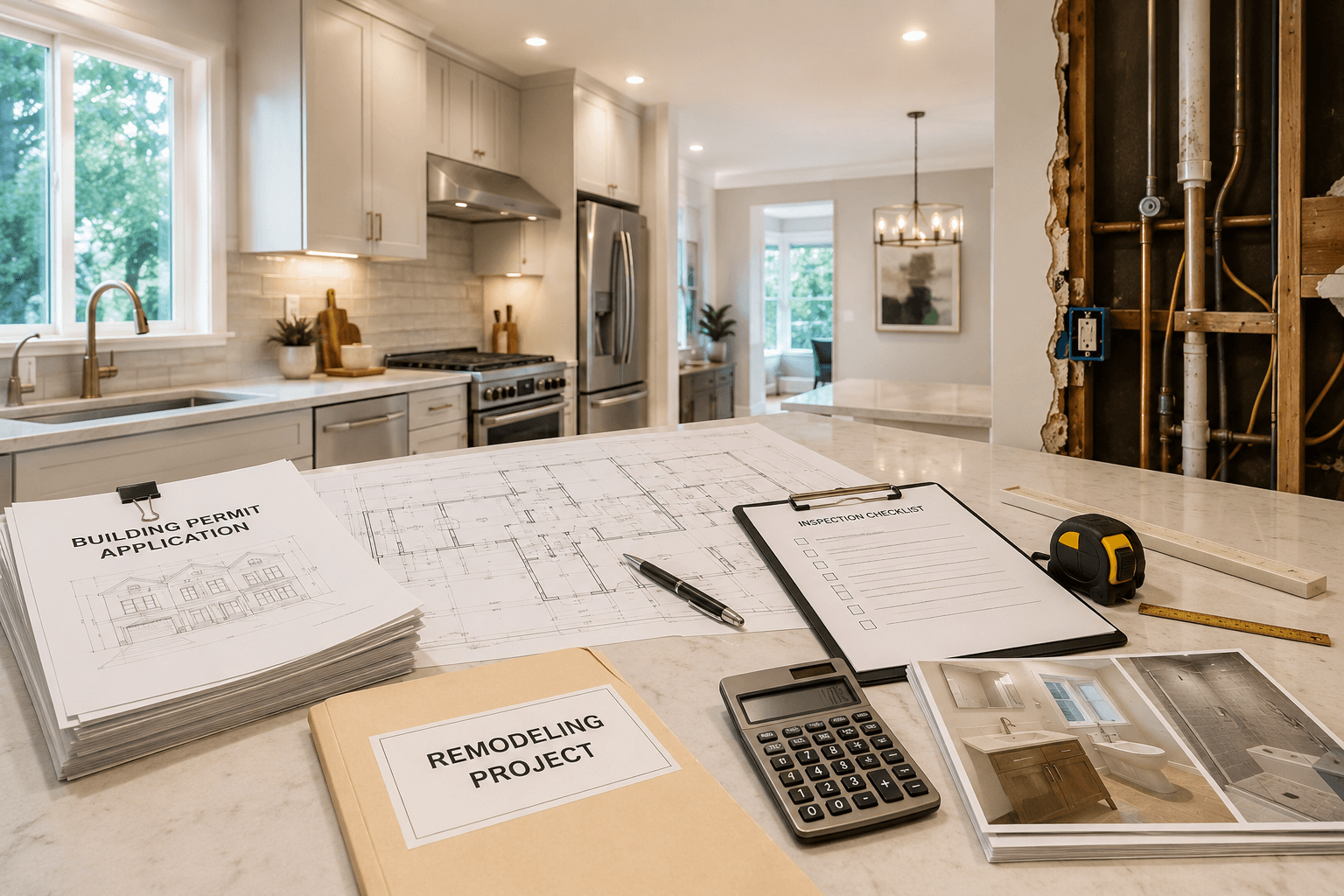
Unpermitted Work in Seattle: Risks and How to Fix It
Published July 23, 2026
Unpermitted remodeling work can create problems with inspections, resale, insurance, and future repairs if it is not corrected properly.
* Unpermitted Work in Seattle: Risks and How to Fix It
* Unpermitted work means remodeling, repairs, or construction done without the necessary permit. In Seattle and the Eastside, this can lead to problems during inspections, insurance claims, selling your home, or future renovations.
* Some homeowners know about unpermitted work, while others only find out years later when buying, selling, remodeling, or checking permit records.
* Th
* e risk varies by project type. Minor cosmetic updates differ significantly from unpermitted electrical, plumbing, structural, deck, roof, ventilation work, or full kitchen and bathroom remodels.
* Fine Element Construction helps homeowners in Seattle, Kirkland, Bellevue, Redmond, Mercer Island, Sammamish, and the Eastside by reviewing project scope, coordinating permits, handling inspections, and keeping accurate records.
* What Counts as Unpermitted Work?
* Unpermitted work
* means work was completed without a required permit.
* Not Not every update needs a permit. Cosmetic work such as painting, adding trim, changing cabinet hardware, or replacing finishes usually does not require the same review as plumbing, electrical, structural, ventilation, or layout changes.sues arise when work extends into areas that require permits, such as moving plumbing, adding electrical circuits, changing ventilation, removing walls, altering structure, building or replacing decks, changing roof structure, adding bathrooms, or remodeling to the studs.
* In Seattle, the permit question depends on scope, project value,
*
* and whether the work touches systems that affect safety, structure, ventilation, or the building envelope. Eastside cities may apply similar logic, but each city can have its own process and thresholds.
* Why Unpermitted Work Is a Problem
*
* Unpermitted work might look finished, but problems can be hidden behind walls, under floors, above ceilings, or inside the structure. A bathroom may look new, but the waterproofing, drainage, ventilation, electrical, or plumbing might not have been inspected. Kitchens could have unapproved circuits, outlets, ventilation, plumbing, or wall changes. Decks might seem sturdy, but their structure may not meet required standards.
* Permits set up a process for review, inspections, and any needed corrections, and they create a permanent record for the property.
* When that record is missing
* the homeowner may later need to prove that the work is safe, legal, and properly done.
* Common Types of Unpermitted Remodeling Work
*
* Unpermi
* tted work can show up in many parts of a home.
* Some common examples are bathroom remodels done without plumbing or electrical permits, tub-to-shower conversions without inspection, new exhaust fans or changed ventilation without review, kitchen remodels with new outlets or appliance circuits, removing walls without structural review, adding bathrooms, finishing basements, replacing decks, roof structure work, and repairs after water damage that were never documented. Projects often start small but grow as issues like old plumbing, bad wiring, moisture damage, or layout problems are found. If the project changes but permits are not updated, it can become unpermitted without the homeowner knowing. That’s why it’s important to review the project scope before starting any work.
* What Can Happen If the City Finds Unpermitted Work?
* If unpeIf the city finds unpermitted work during construction, they may stop the project until you get the right permits. This can lead to delays, extra costs, and needing to submit documents after work has already started.me cases, finished work may need tInspectors may require finished work to be opened for review, which can be costly if it involves removing drywall, tile, cabinets, flooring, or other materials.e higher after-the-fact costs compared with doing the permit correctly from the beginning. This is one reason unpermitted work often becomes more expensiv
* e to fix later than it would have been to permit properly at the start.
* The longer unpermitted work stays hidden, the harder it is to document, especially when the home is sold. A buyer’s inspector may notice work that does not match permit records. Listing agents, buyers, appraisers, lenders, or title companies may raise concerns. Buyers might ask for documentation, repairs, credits, price reductions, or even cancel the sale. Even if the work looks good, missing permits can make buyers uneasy because they cannot be sure plumbing, electrical, waterproofing, structure, or ventilation were done correctly.
* A clear permit history reassures buyers that work was reviewed and completed according to proper procedures.
* Insurance RisksUnpermitted work can also cause problems with insurance. If unpermitted plumbing, electrical, ventilation, or structural changes lead to damage, insurance claims may become more complicated. Insurers may ask if the work was permitted and inspected.d.
* For example, if an unpermitted bathroom remodel causes water damage or unpermitted electrical work leads to a fire, the lack of permit history can become a significant problem.Not every claim is denied, but homeowners may face more questions and higher risk.k.
* Permitted work leaves a clear record.
* How to Find Out If Work Was Permitted
* Start by checking available records. Compare the permits on file for your property with the work that has been done.
* If the home features a remodeled bathroom, new kitchen layout, added deck, If your home has a remodeled bathroom, new kitchen layout, added deck, finished basement, changed walls, or major system updates, there should usually be a permit history if the work needed review.al locations, poor ventilation, odd plumbing access, missing documentation, or inconsistent work quality, which may indicate unpermitted work.
* A professioA professional remodeler can help you figure out which parts of the work may need more review before you start a new project.x Unpermitted Wo
* rk
* T
* he first step is to clearly define the scope of the work.
* Homeowners should figure out what work was done, which parts may have needed permits, and what condition the work is in now. This might mean checking records, looking at visible areas, and opening up small sections if needed.
* Next, contact t
* he appropriate city department or consult a contractor to confirm the permit process. In Seattle, this involves the city’s permit procedures. In Eastside cities like Kirkland, Bellevue, Redmond, Mercer Island, and Sammamish, processes may vary by city and project type.
* Often, homeowners need to apply for an after-the-fact permit, submit drawings or paperwork, schedule inspections, make any needed corrections, and get final approval.
* The goal is to m
* omove the work from undocumented to documented.Will Finished Walls Need to Be Opened?
* S
* ometimes, yes.
*
* If inspectors need to verify plumbing, electrical, waterproofing, framing, or structural work that is concealed, finished surfaces may need to be removed, including drywall, tile, trim, cabinets, or flooring.This is a big reason why it’s better to handle permits before starting construction.itWhen inspections happen at the right time, the work can be checked before the walls are closed and before expensive finishes are put in.d.
* Fixing problems after the project is finished is often more disruptive.e.
* Should You Fix Unpermitted Work Before Selling?
* If you are aware of
* unpermitted work, it is generally best to address it before it becomes a concern for buyers.
* You don’t always need to do major demolition. The right approach depends on the project’s size, condition, risk, and city requirements.
* uirements.
* Some Some problems can be fixed with paperwork and inspection, while others may need you to open up the work, make corrections, or rebuild. It’s important to check the situation before listing your home.ting for a buyer to discover the issue can cause stress, delays, and negotiation challenges during the sale process.
* What If You Bought a Home With Unpermitted If you find unpermitted work after buying a home, start by documenting what you find.indings
* .
* Collect permit records, inspection reports, seller disclosures, contractor invoices, photos, and any other project paperwork. Figure out which parts of the work might involve safety, structure, plumbing, electrical, ventilation, waterproofing, or exterior construction.Don’t cover up or remodel over questionable work before you know its condition. A future remodel can be a chance to fix unpermitted work, but you should carefully review the scope before starting.n.A professional remodeler can tell you which problems need to be fixed right away and which can wait for a bigger project.t.
* Why Contractors Should Pull Permits
* For per
* mitted
* remodeling work, the contractor should typically manage the permit process under their company and coordinate inspections for their work.
*
* This matters because permits, inspections, and corrections are the contractor’s job. If a contractor asks you to get a permit for work they are doing, it could shift risk to you and may be a red flag.
* A professional remodeler should explain which permits are needed, who will h
* andle them, when inspections occur, and how the permit process impacts the schedule.
* Clear permit responsClear permit responsibility helps protect you as the homeowner.onstruction HelpsFine Element Construction helps homeowners plan remodeling projects with a clear scope, proper permit coordination, and professional project management.t.
* For new remodeling projects, check permit requirements before you start construction. For existing unpermitted work, first figure out what was done, what records you have, and what might need fixing before starting anything new.
* Our
* team serves Seattle, Kirkland, Bellevue, Redmond, Mercer Island, Sammamish, and nearby Eastside communities, providing bathroom and kitchen remodeling, full home renovations, deck planning, exterior remodeling, restoration, and permit coordination.
* Unpermitted Work in Seattle and the Eastside
*
* Unpermitted work does not always mean a home is unsafe, but it does leave some questions unanswered.
* The worThe work may need review, documentation, corrections, or inspections. Ignoring the issue can cause problems when you sell, file insurance claims, or remodel in the future. The safest approach is to deal with the issue before it becomes urgent.u are considering remodeling a home with possible unpermitted work, contact Fine Element Construction to review your project, discuss the scope, and plan the next steps before construction begins.